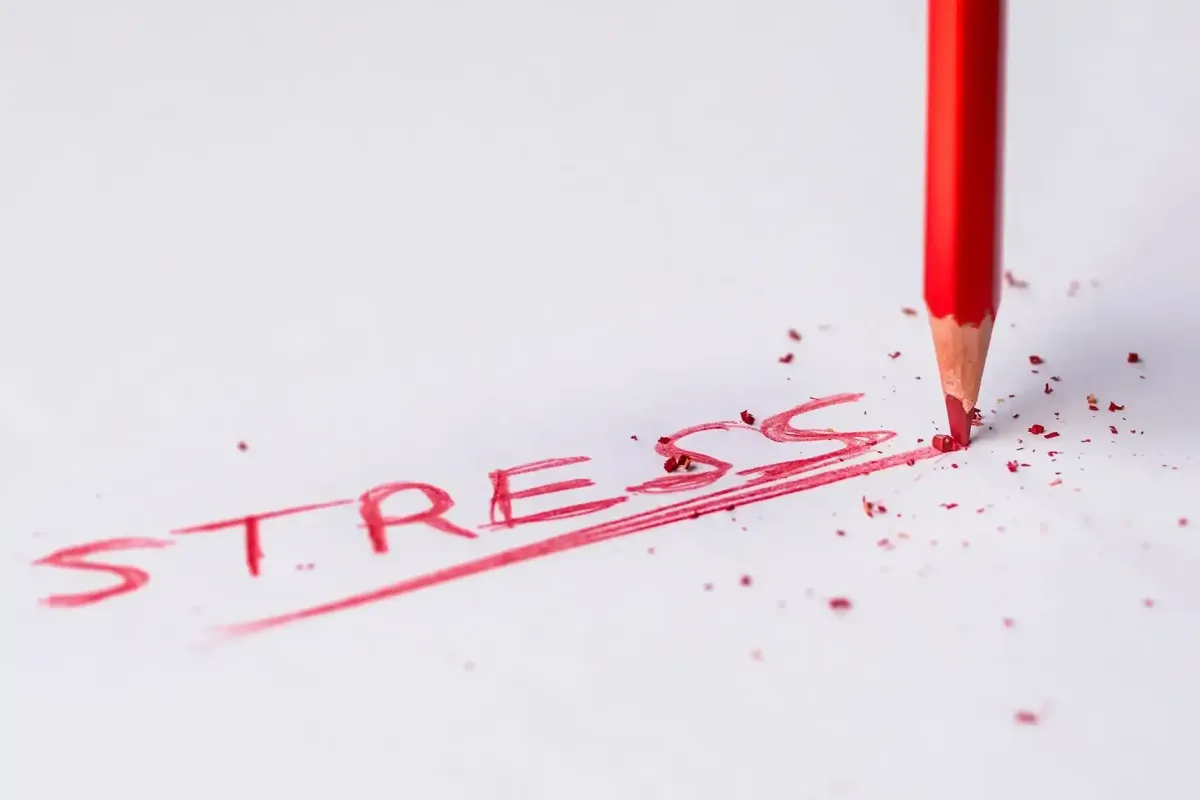
Pressure; pushing down on me
One of my favorite songs is by Queen called “Under Pressure”.
“Mm-noom-ba-deh
Doom-boom-ba-beh
Doo-boo-boom-ba-beh-beh
Pressure pushin’ down on me
Pressin’ down on you, no man ask for
Under pressure that brings a building down
Splits a family in two, puts people on streets
Mm-ba-ba-beh, mm-ba-ba-beh
Dee-day-da, ee-day-da
That’s okay
That’s the terror of knowing what this world is about
Watchin’ some good friends screamin’, “Let me out”
Pray tomorrow gets me higher
Pressure on people, people on streets”
I think every one of us can relate to having stress and it feeling like “pressure”. This pressure can feel physically straining such as a tension headache where your forehead hurts and it wraps around your whole head. Other times it is tightness in your neck, shoulders, or lower back. Sometimes it is emotional and we snap at a loved one or are more irritable with every day life. It can even cause insomnia, altered bowel function, changes appetites, and can affect our sex life.
The human body is well designed to weather stress, but prefers this to be temporarily. Problems/disease occurs when the stress is on aconstant basis. To understand this, remember that the human nervous system has two primary modes:sympathetic (SNS) and parasympathetic (PNS). The sympathetic mode promotes survival and activatesfight or flight or hideduring times of acute stress. In contrast, the parasympathetic mode promotesthriving. It prioritizes our ability to rest, digest, heal, and procreate. We need both modes, but the body cannot be in both modes at once.
Keep in mind, the body is not going to choose to thrive via the PNS unless our survival seems assured; unless the body feels safe. Our body is constantly sensing our environment for cues and clues about the status of our world, including listening to our THOUGHTS. It is wise to be mindful of our thoughts and ask ourselves if we are thinking relaxed, secure, and content thoughts, so it is safe to be in a PNS mode and thrive. Or are we thinking angry, vigilant, ruminating, or fearful thoughts, so the body believes it needs to protect us by being in a SNS mode? No matter what “story” we might tell ourselves (or others) to rationalize or justify our stress, our body knows the truth about how we feel and is going to respond accordingly. I tell my patient’s all the time that the body pumps out the same hormones when we are in fight with a loved one or late for work as it would if we are actually getting chased by a tiger. It is basic natural instinct and our body will ALWAYS prioritize survival.
To promote survival, a SNS mode may promote higher cortisol, higher blood sugar, higher blood pressure, poor sleep, and anxiety (all important to stay alert and run and fight with stamina). At the same time, functions such as digestion, immunity, and detoxification will be notably impaired on purpose. Chronic stress can consequently promote chronic diseases such as diabetes, hypertension, atherosclerosis, IBS, obesity, autoimmune diseases and can negatively affect fertility. Having clear skin, lots of energy, a healthy weight, good cognitive function, healthy pulse and blood pressure, easy digestion and bowel movements, libido and fertility, and deep restful sleep are all gifts of PNS activation. If you are lacking in these areas of thriving, it’s time for someself-reflection.

Read through this list slowly and take some time to reflect and perhaps journal with your honest thoughts and observations:
What daily choices might be causing you to be in sympathetic nervous system mode?
Which of these might you have some control over and can take action to make change?
Is your plate too full? What in your life can you get courageous and start saying “no” to?
Where you cannot control circumstances, can you change your perspective?
Can you choose to let go of any old grievances or guilt?
How much Vitamin J (joy) and Vitamin P (pleasure) are in your life on a daily basis?
Are you choosing to spend enough time with the people you care about?
Even with your various responsibilities (what you may “have to do”), are you choosing to spend time regularly doing what you most want to be doing?
Now that you have had a chance to reflect, there are certainly some ways we can purposefully tap into PNS mode. This will most likely NOT happen on purpose in our modern, busy, go-go-go society. We have to intentionally make time to do these things EVERY DAY.
First, it’s important to understand the role of the vagus nerve.
The vagus nerve is the 10th cranial nerve, which is responsible for the parasympathetic control of the majority of our internal organs, including the heart, lungs, gonads, and digestive tract. Under chronic stress, there can be low vagal tone. Here are some ways to improve your vagal tone and thus shift your body towards the PNS:
Reduce obligations (this may take some courage to say “no” more often and prioritize your self-care and health vs. feeling a compulsion to say “yes” all the time)
Reduce exposure to electronic magnetic fields- EMFs (e.g. less time on electronics)
Reduce exposure to stressful situations (walk away)
Highly reduce your time taking in social media drama, blog rants, mainstream newscasts
Watch comedies instead of the violent action films or suspenseful thrillers
Spend time with more people who bring you joy instead of those who are difficult or critical
Avoid over-scheduling, procrastinating and unrealistic deadlines. Make room in your life.
Ask for help or hire out to allow more time for rest, hobbies, self-care and relationships
Improve sleep (go to bed earlier, reduce awakenings, increase total sleep time)
Get early morning sunlight
Take walks, especially in nature (appreciate the beauty around you)
Singing, humming, chanting
Laughter
Gargling
Deep breathing- Make exhale longer than inhale. Breathe through your nose.
Practice gratitude (e.g. via journaling or verbally with others)
Meditation (I love the headspace app)
Yoga, tai chi and Qi gong
Choose forms of exercise that bring you joy, social connection and/or make you stronger (avoid over-exercising)
Schedule self-care (massage, reflexology, acupuncture, craniosacral therapy)
Spend time doing hobbies you love
Prioritize social connections
Hugs and cuddle time (with people and pets)
The goal is not to do all of these things, because that can cause STRESS, trying to do too much to relax. Trust me, I’ve been there too. But rather to experiment with finding the ones that most resonate with you, that you will enjoy, and that you can most easily incorporate into your life sustainably and routinely.
If you would like more help in determining your stress levels, how to properly treat and manage your stress, then make a free-15 minute appointment with us at Rapha Functional Wellness.
At Rapha Functional Wellness we offer cortisol testing which assesses adrenal health and will allow us to see which nervous system you favor; parasympathetic or sympathetic nervous. We then will recommend different treatments using the above recommendations along with diet, exercise, and supplements to get your adrenals back in balance.
If you’d like to learn more about meditation, vagus nerve and the gut-brain connection then come join Amy Altamash at Mindful Movement Yoga studio on November 17th @ 6pm. Amy is doing a talk about the vagus nerve in more detail along with ways to rebalance it as well as how stress affects the gut and how to heal it. Malissa Whited from Mindful Movement is going to lead us in some meditations and breath work that we can use in our day-to-day to lower our stress level and increase our parasympathetic nervous tone.
